Record Label
Polskie Nagrania Muza
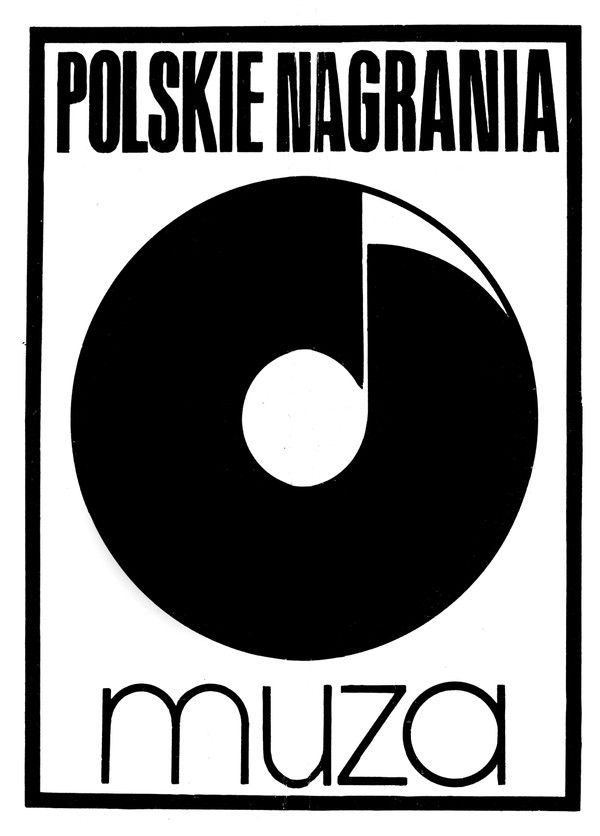
Polish state-owned label in the People's Republic times, still active these days (releasing mostly the old, remastered recordings, classical music, operas, etc.). Currently the brand is owned by Polish branch of Warner Music. Some useful information which could be helpful when establishing the year of release of LPs (up to year 1991) or at least the years range: Prefix SP - 7'' / 45 rpm mono single play SS - same line as above, but in stereo (from mid 70's) N - 7'' / 45 rpm mono EP SN - same line as above, but in stereo (from mid 70's) L - used for 10” / 33rpm longplays for 12'' longplays: XL - used for mono LPs – up to 1975/76 SXL - used for stereo LPs – up to 1975/76 X - used for mono LPs (mainly reissues) – after 1975/1976 SX - used for stereo LPs (reissues and new releases) – after 1975/1976 In the transition period quite often there was a different prefix printed on the sleeve ( XL/SXL or SXL) and on the centre label (X or SX). Matrix numbers For early mono releases prefix XW was used for matrix number (printed on labels and etched on runouts). When stereo records were introduced, there was M-3 XW for mono and S-3XW for stereo records printed on labels and respectively M3XW and S3XW etched on runouts. The number after the prefix had nothing in common with the catalogue number and was different for A and B side. Etched matrix number could be followed by dash and a digit for represses. Next, after a space, a combination of letters was etched (for example MJ-KW). After 1975/1976 matrix numbers were not printed on labels just stamped on runouts and they had M3X prefix for mono and S3X for stereo version which was followed by the catalogue number and then A for A side and B for B side, and alternatively dash and one or two digits for repress. After a long space a letter (usually C, J or K) was stamped. In the transition period there were releases (mainly reissues or represses) with older matrix number printed on labels and new matrix number stamped on runouts, sometimes there was the old matrix etched on one side whilst on another side the new matrix was stamped. Logo From 1956 to 1967/68 there was non-framed logo with rooster and words Polskie Nagrania and MUZA printed on sleeves (see image). Then there was similar logo but oval-framed printed on sleeves (see image). In about 1971 a newer version of oval logo appeared, with different font of writings: POLSKIE NAGRANIA and Muza (see image). In 1979/80 a new – rectangular, also called as “clef”, logo was introduced, initially printed only on sleeves (see image). In 1984/85 a new design of centre labels was introduced: with above mentioned new, clef logo (in place of previous big word “Muza”) and ZAIKS as Rights Society (in place of previous BIEM). (Compare for example: [r1123774] (image) to [r5884531] (image). These new labels were mostly cream, could differ in shades. Some submitters insists there were also white labels (very rarely). Retail Price In the People Republic of Poland, up to the end of 80’s, retail prices were steady at the time (regardless the artist and the title with exception for licensed records) and printed on the sleeves and sometimes on centre labels. Due to inflation prices were changing, especially in 80’s. Up to 1970/1971 there were 80 zł for mono and 110 zł for stereo LP. Then prices were unified as 65 zł for mono and stereo version. Licensed records could be more expensive (up to 120 zł or 130 zł). In 1978/1980 prices hiked again to 80 zł, 1981 - 1984: 110 - 130 zł, 1984 (from 1.04.1984) – 1985: 180 zł (Series “Z archiwum Polskiego beatu” – 160 zł) "Regular retails prices of LPs released by Polskie Nagrania hiked to 180 zł, and SPs to 60 zł from 01.04.1984" - source: NON STOP No. 5/1984 1985 – 1986: 250 – 300 zł 1987: 300 – 350 (400) zł 1988: 500 – 800 (1200) zł 1989: more than 1000 zł, even 2900 zł (hyperinflation at that time) Catalogue numbers alone must not be used for establishing the year of release on the basis of the sequence of releases with known date of release, as there were many delays, e.g. the specific catalogue number had been reserved and the record itself was released after one or even more years since then. Many records issued in 1986 bear catalogue numbers lower than releases of 1980/81 (likely due to martial law declared in Poland in 1981 some records planned to be released in 1982 were not released and those catalogue numbers were used again, for another releases). And keep in mind that there were reissues or represses with the same catalogue number but different prefix, logo, label and/or price. https://rytmipiosenka.blogspot.com/2018/09/polskie-nagrania-muza-logo-and-label.html gives some more data for different versions of logo, centre labels and retail prices of LPs.
Data provided by DiscogsReleases
Page 1 of 4
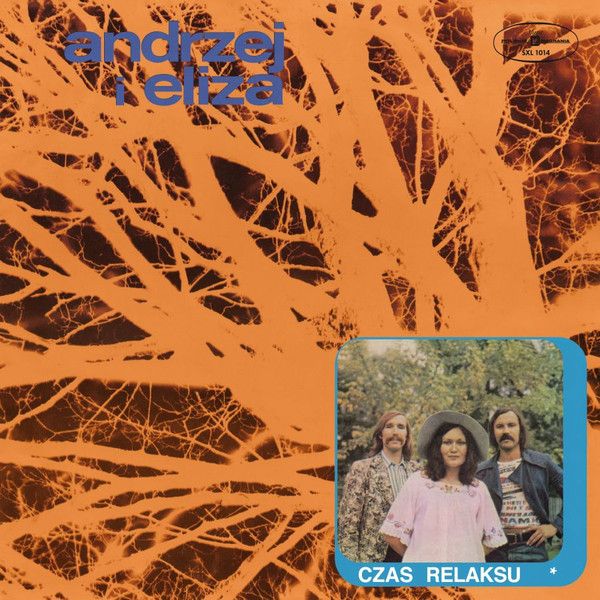
Czas Relaksu
Andrzej I Eliza
Czas Relaksu
UAH 1,921.48
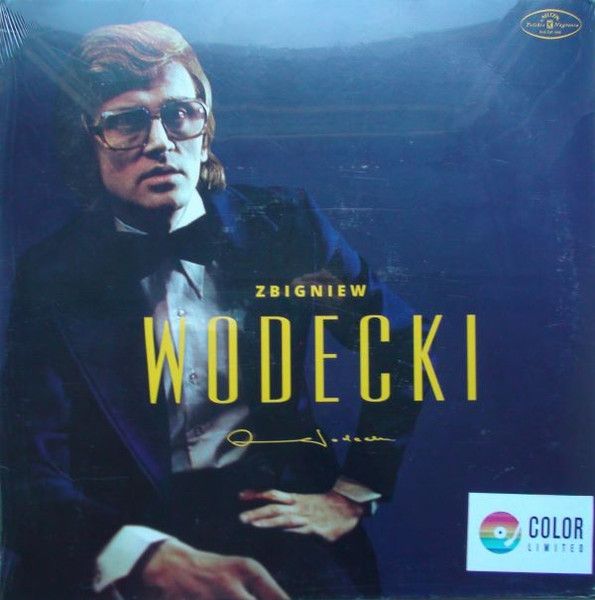
Zbigniew Wodecki
Zbigniew Wodecki
Zbigniew Wodecki
UAH 3,202.47
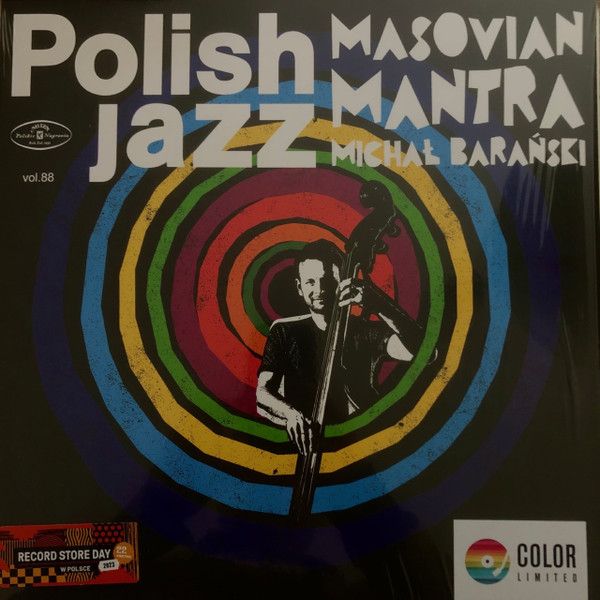
Masovian Mantra
Michał Barański
Masovian Mantra
UAH 1,921.48
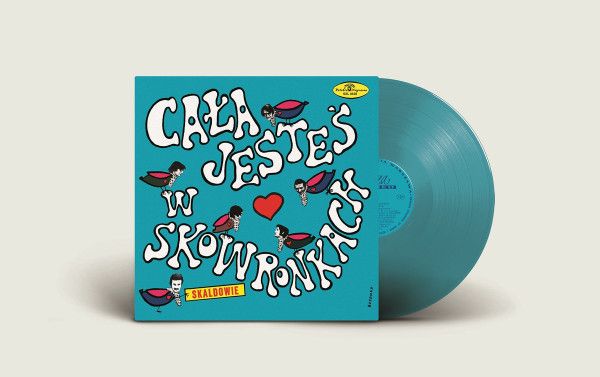
Cała Jesteś W Skowronkach
Skaldowie
Cała Jesteś W Skowronkach
UAH 3,202.47
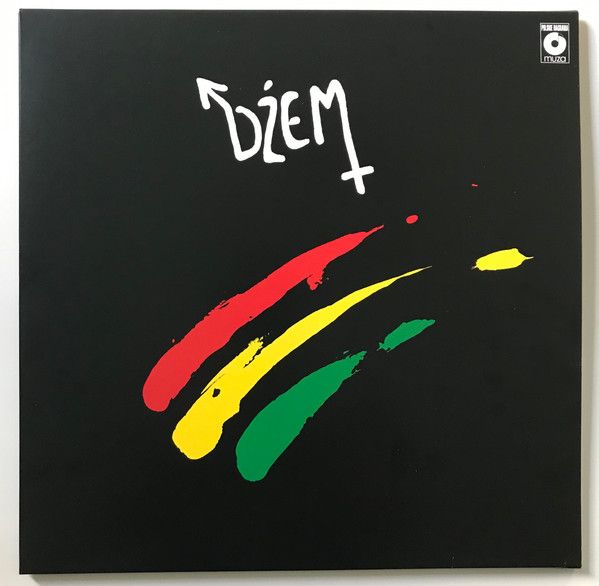
Cegła
Dżem
Cegła
UAH 3,202.47
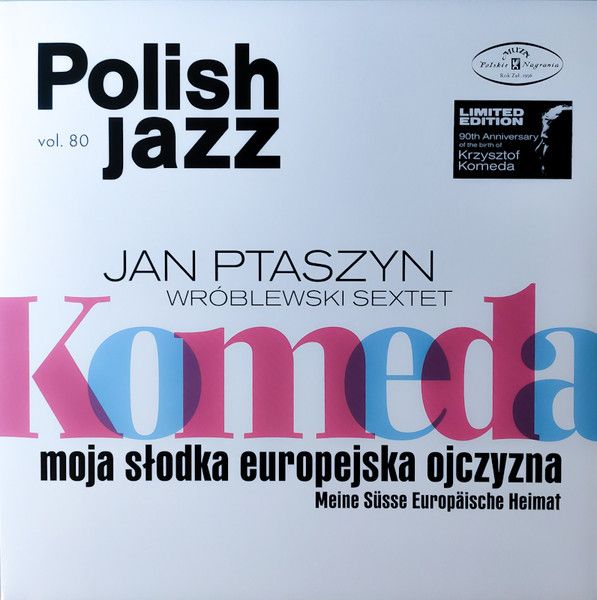
Komeda. Moja Słodka Europejska Ojczyzna
Jan Ptaszyn Wróblewski Sextet
Komeda Moja Słodka Europejska Ojczyzna / Meine Süsse Europäische Heimat
UAH 3,202.47
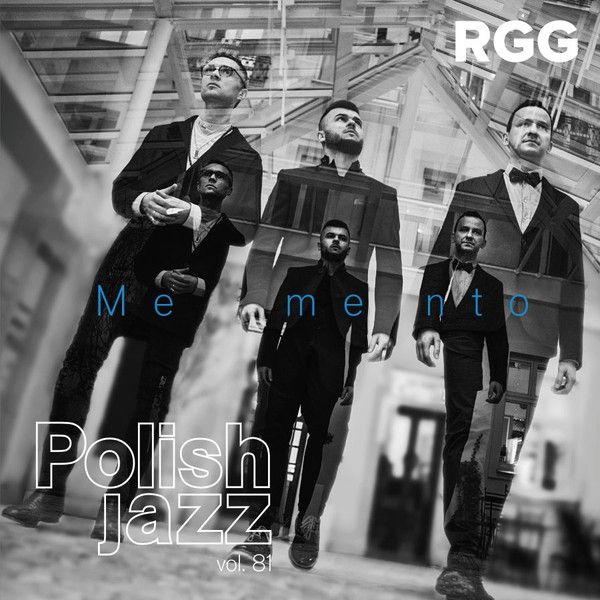
Memento
RGG Trio
Memento
UAH 3,202.47
Sound Of Marianna Wróblewska
Marianna Wróblewska
Sound Of Marianna Wróblewska
UAH 1,939.41
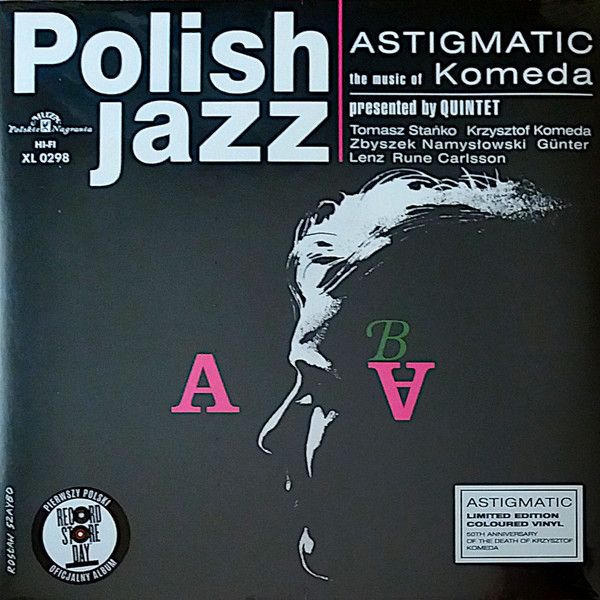
Astigmatic
Komeda Quintet
Astigmatic
UAH 3,202.47
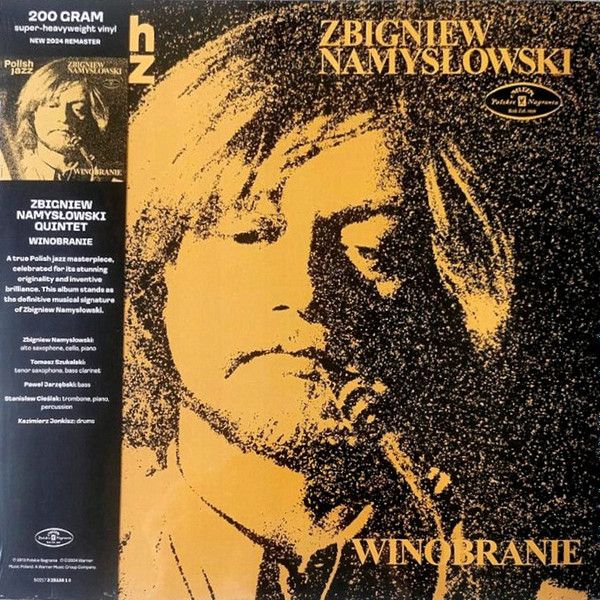
Winobranie
Zbigniew Namysłowski
Winobranie
UAH 1,921.48
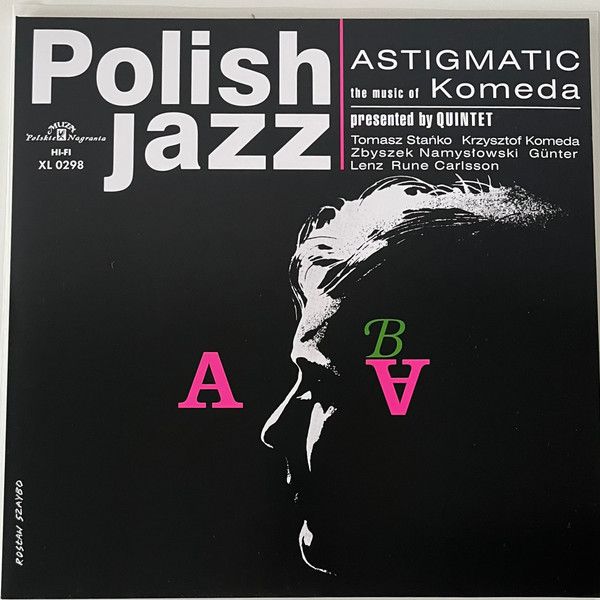
Astigmatic
Komeda Quintet
Astigmatic
UAH 1,921.48

W Pustyni I W Puszczy
Andrzej Korzyński
W Pustyni I W Puszczy
UAH 1,921.48
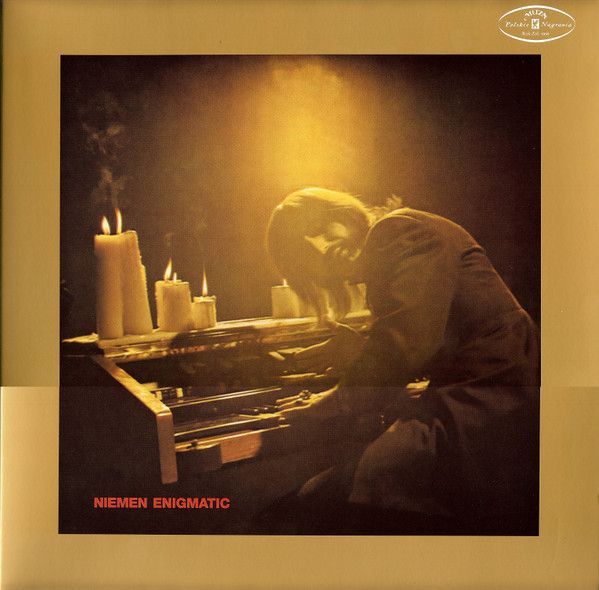
Enigmatic
Czesław Niemen
Niemen Enigmatic
UAH 1,921.48
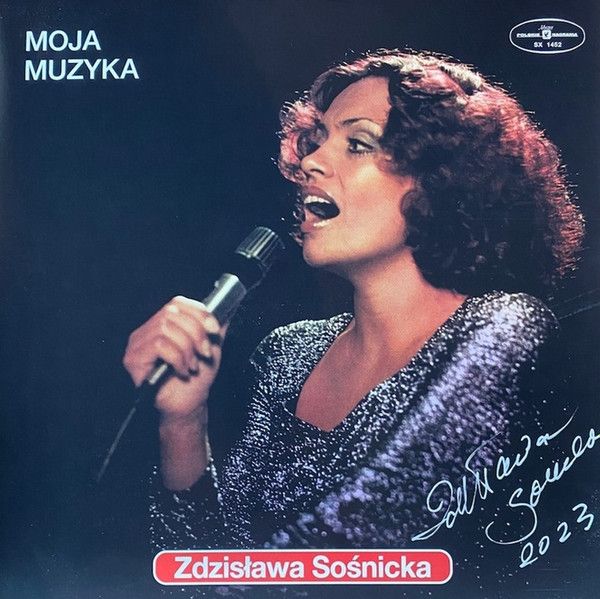
Moja Muzyka
Zdzisława Sośnicka
Moja Muzyka
UAH 1,921.48
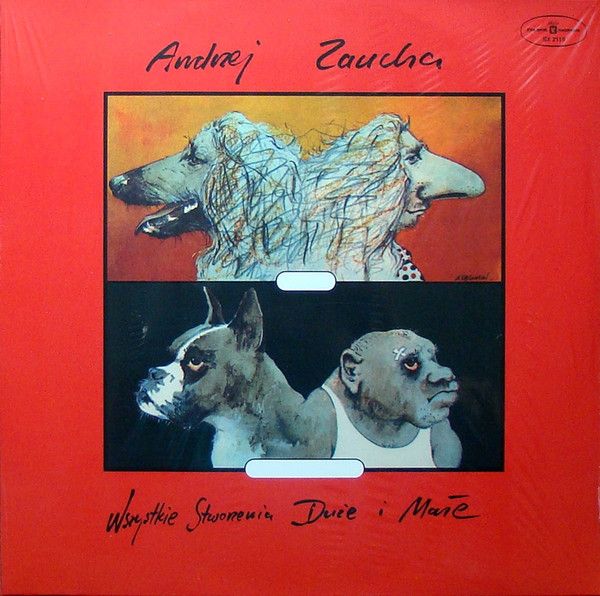
Wszystkie Stworzenia Duże I Małe
Andrzej Zaucha
Wszystkie Stworzenia Duże I Małe
UAH 3,202.47
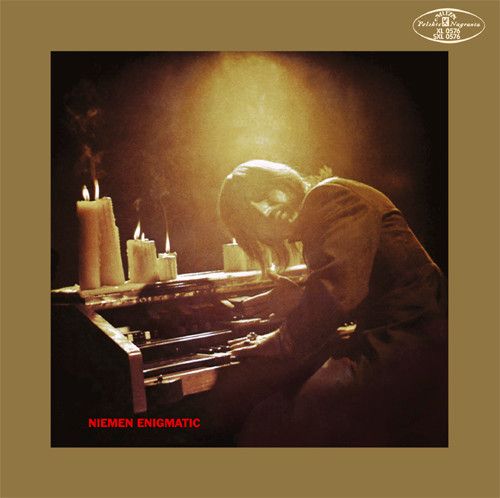
Enigmatic
Czesław Niemen
Enigmatic
UAH 2,433.87
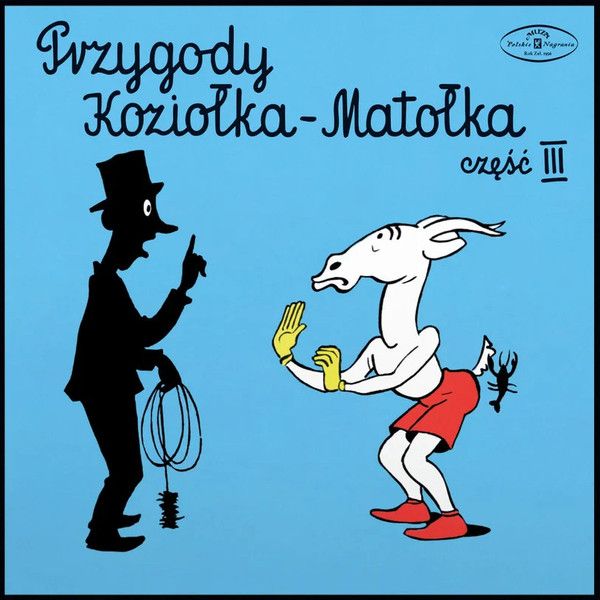
Przygody Koziołka Matołka III/IV
Kornel Makuszyński
Przygody Koziołka Matołka Część III-IV
UAH 3,202.47
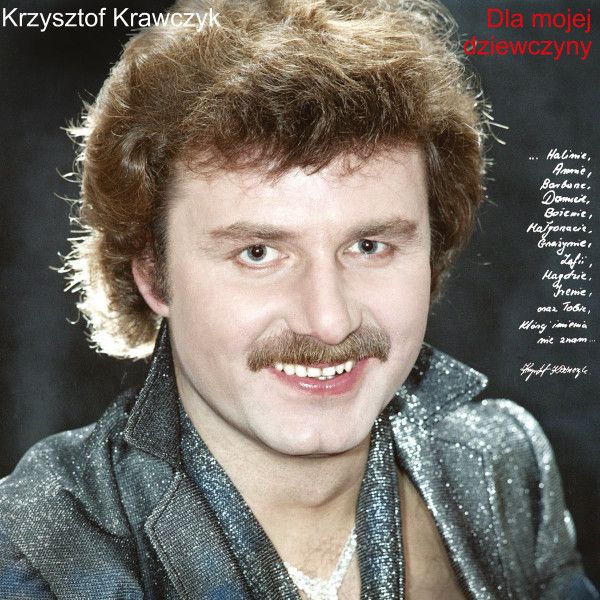
Dla Mojej Dziewczyny
Krzysztof Krawczyk
Dla Mojej Dziewczyny
UAH 3,202.47
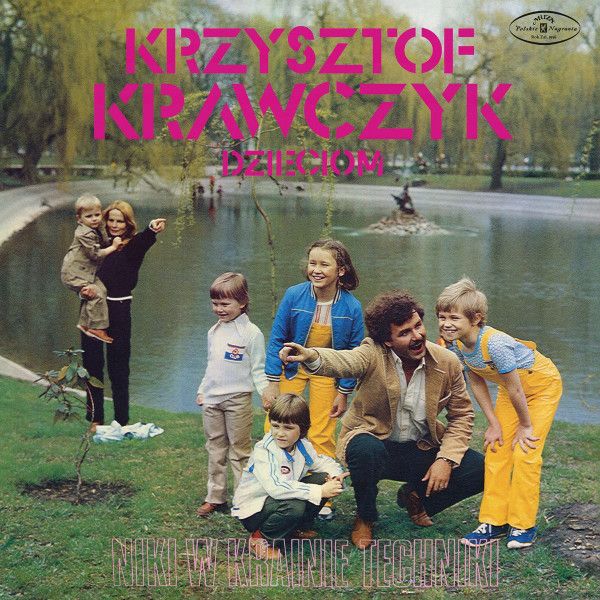
Niki W Krainie Techniki
Krzysztof Krawczyk
Niki W Krainie Techniki
UAH 3,202.47
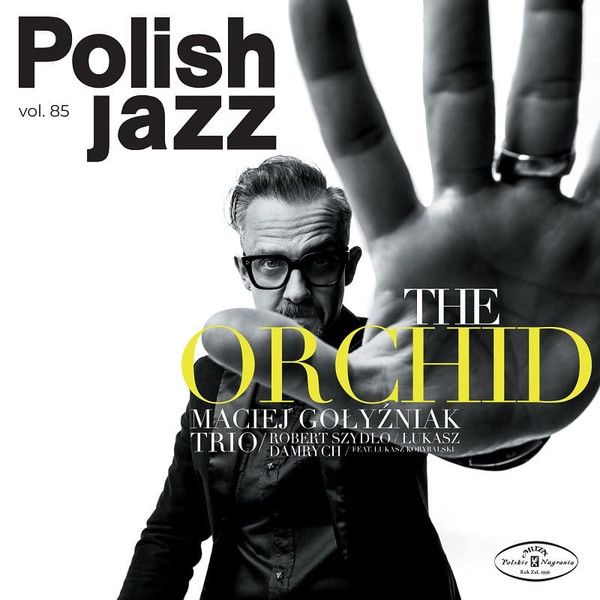
The Orchid
Maciej Gołyźniak Trio
The Orchid
UAH 3,202.47
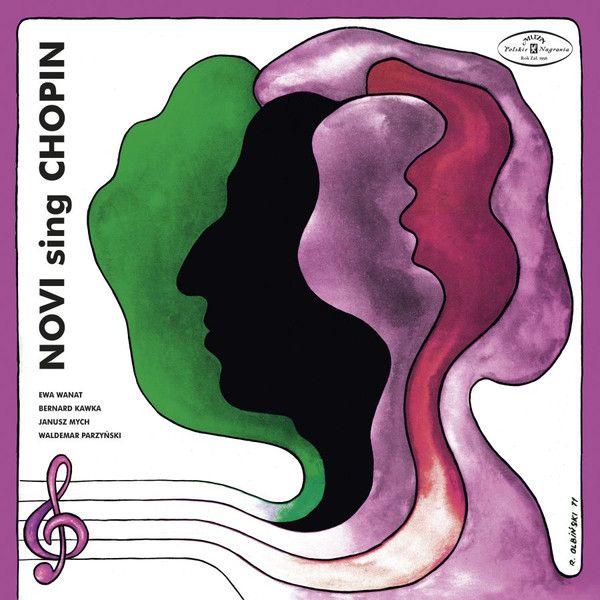
Novi Sing Chopin
Novi Singers
Novi Sing Chopin
UAH 3,202.47
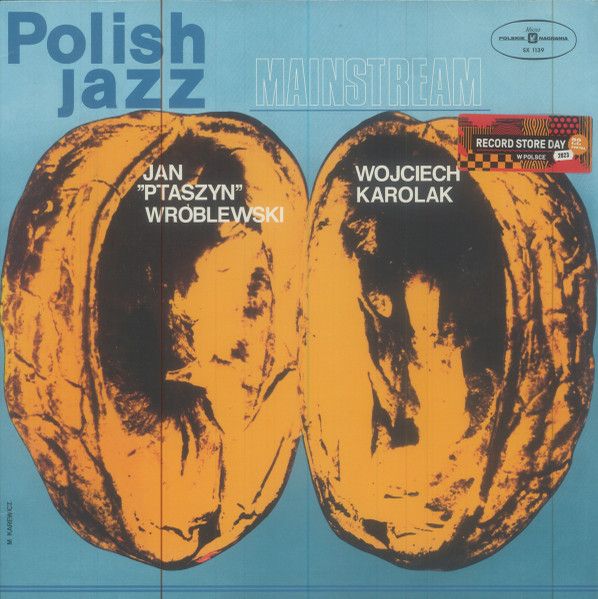
Mainstream
Jan Ptaszyn Wróblewski Wojciech Karolak
Mainstream
UAH 1,921.48
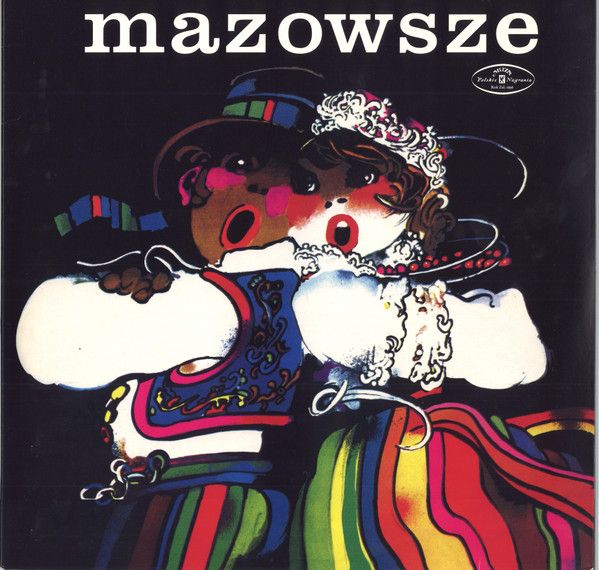
Mazowsze
Mazowsze
Mazowsze
UAH 3,202.47
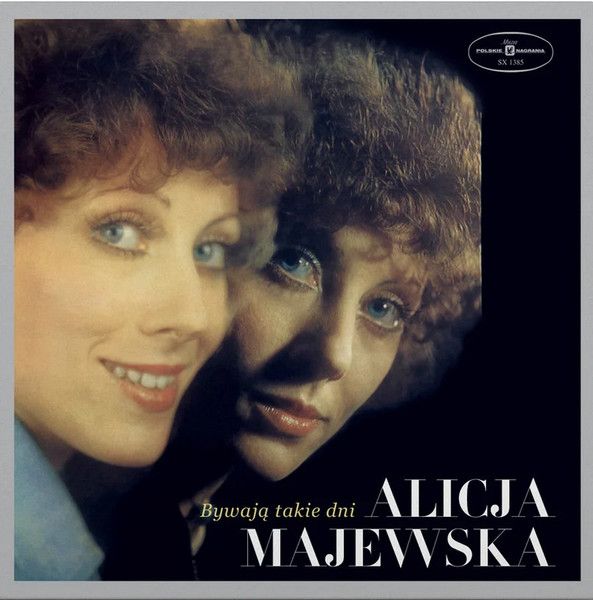
Bywają Takie Dni
Alicja Majewska
Bywają Takie Dni
UAH 3,202.47