Artist
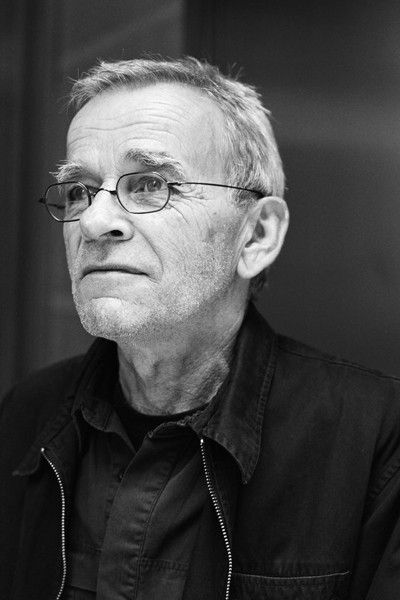
Dieter Moebius
Swiss-born, Berlin-based Electronic music pioneer, born January 16, 1944 in St. Gallen, Switzerland; died July 20, 2015. From his early work with the Krautrock band to his later solo recordings, Dieter Moebius remained one of the prolific voices in contemporary Electronic music. In 1969, he was befriended by and invited to join , a band Schnitzler was forming with . The trio released their debut LP "Klopfzeichen" in 1970; in the wake of their third album, 1971's "Kluster und Eruption", Schnitzler left the group to pursue a solo career, and Moebius and Roedelius continued on as a duo, modifying the name to "Cluster". Working with producer , Cluster began to move increasingly towards more structured soundscapes — with 1974's "Zuckerzeit", they even pursued an Electronic Pop sound similar in spirit to . Moebius and Roedelius also teamed with 's in , releasing a pair of LPs which caught the attention of , who in response collaborated with the trio on a session (released much later under the name Harmonia 76), a turn towards ambient textures (and influencing the sound of the 1976 Cluster album "Sowiesoso"). Roedelius and Moebius subsequently worked with Eno on 1977's "Cluster & Eno" and 1978's "After the Heat" as well; in the wake of 1981's "Curiosum", however, they dissolved Cluster, with both pursuing solo endeavors. Moebius' first subsequent effort was 1981's "[m=28459]", a second collaboration with Plank (their debut, "[m=28456]", had appeared a year earlier); together, they produced a record which over time gave way to the proto-ambient textures of 1986's "[m=28466]", their final work before Plank's death. Concurrently Moebius also teamed with for 1982's "Strange Music" and 1983's "Double Cut"; meanwhile, he made the solo album "Tonspuren" (also from 1983). Apart from teaming with e.g. for theit album "Ersatz", during the early '90s he also reunited with Roedelius to revive Cluster.
Data provided by DiscogsAll Releases
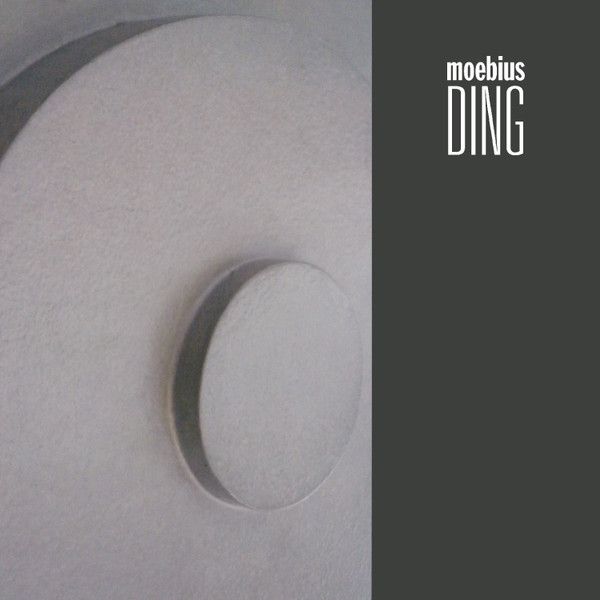
Ding
Ding
UAH 2,237.88
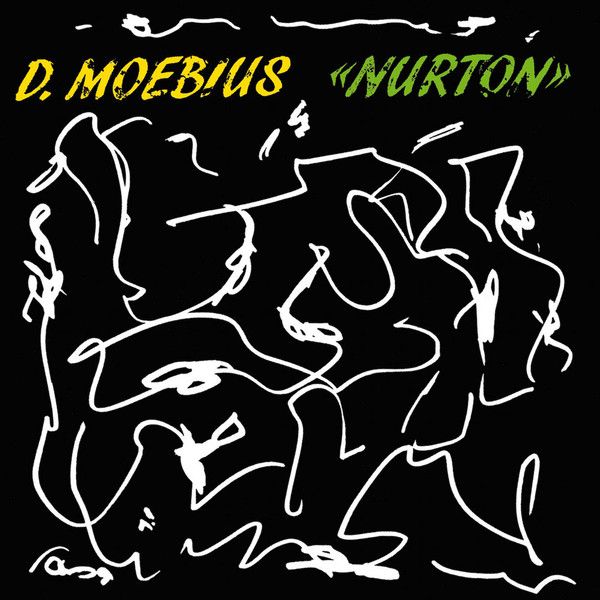
Nurton
Nurton
UAH 2,237.88
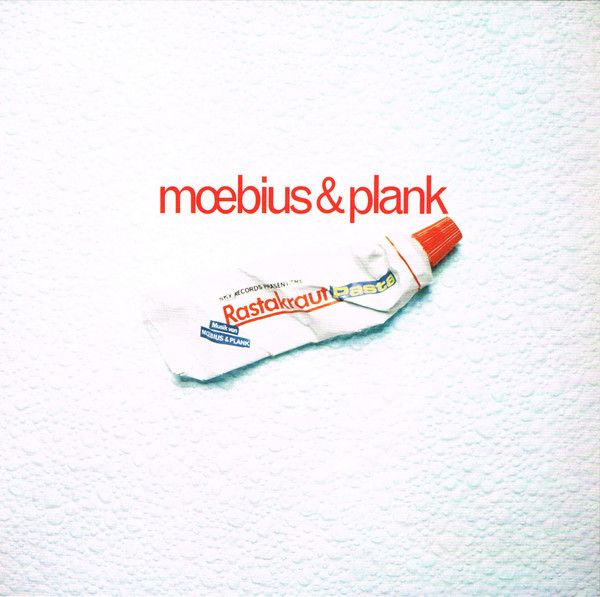
Rastakraut Pasta
Rastakraut Pasta
UAH 2,237.88
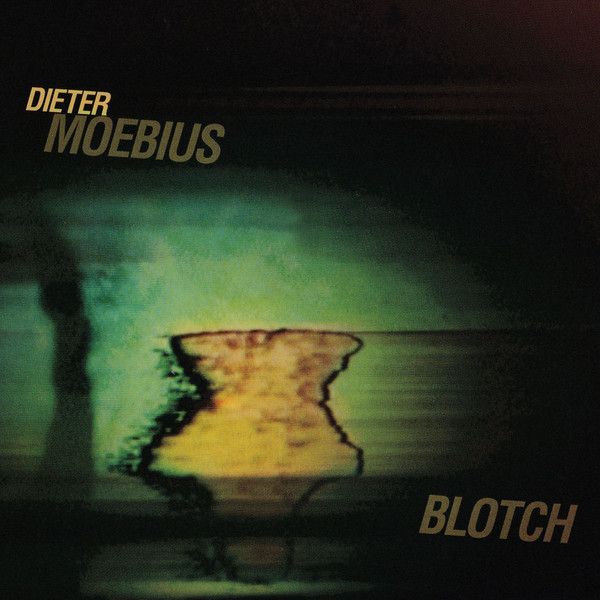
Blotch
Blotch
UAH 2,237.88
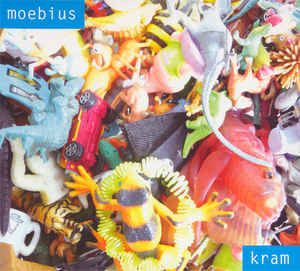
Kram
Kram
UAH 2,237.88
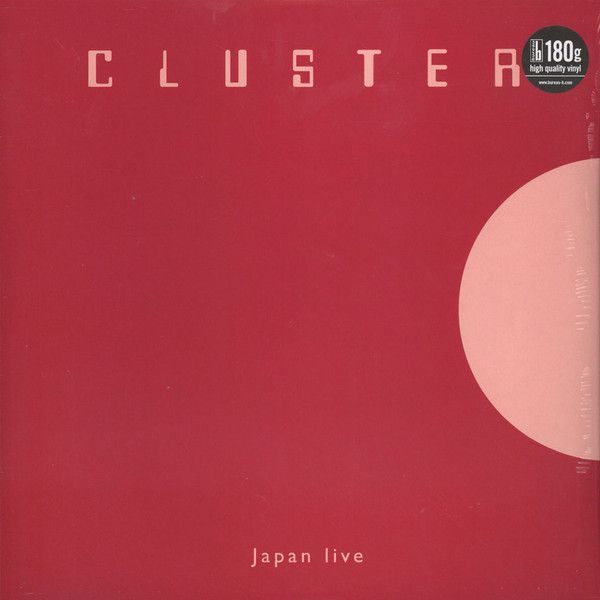
Japan 1996 Live
Japan Live
UAH 2,237.88
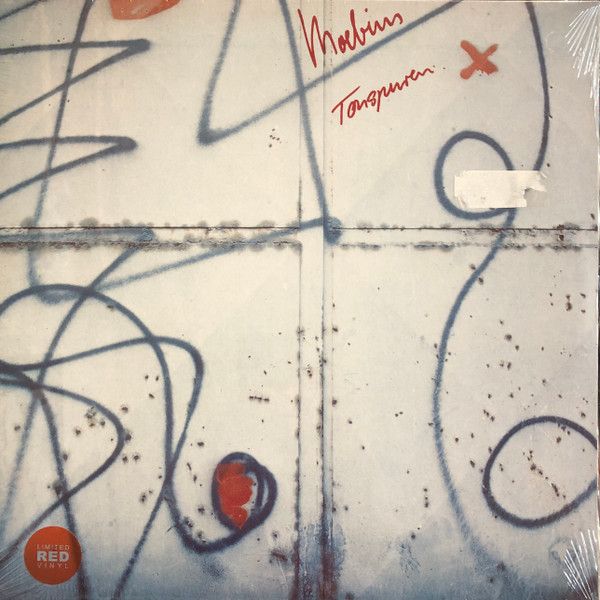
Tonspuren
Tonspuren
UAH 3,105.11
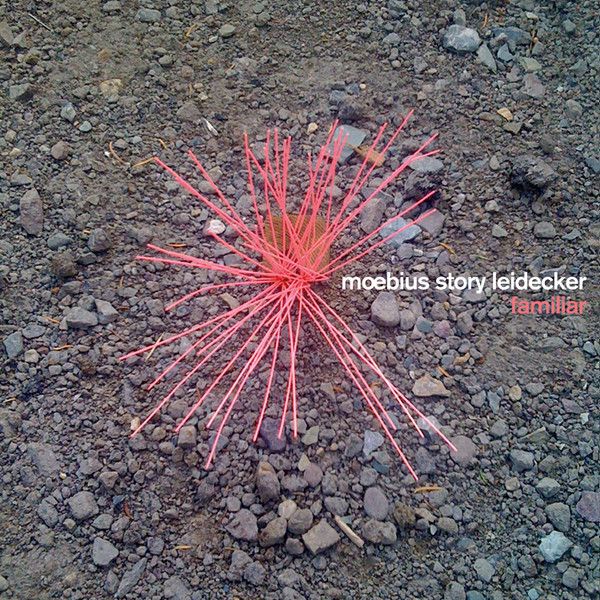
Familiar
Familiar
UAH 2,237.88
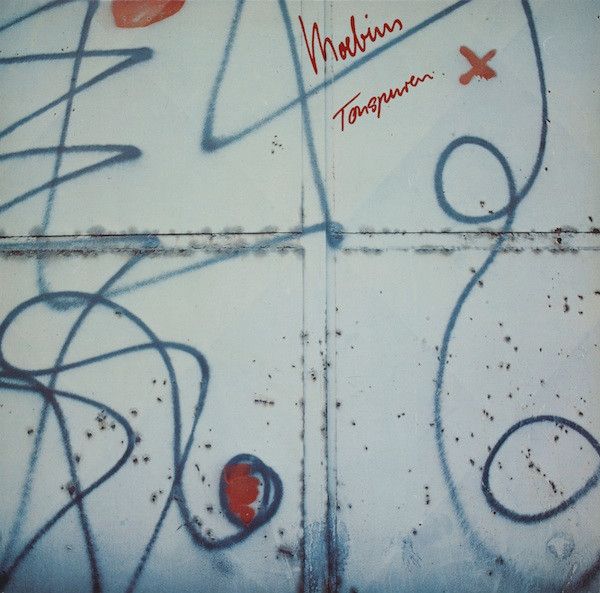
Tonspuren
Tonspuren
UAH 2,681.11
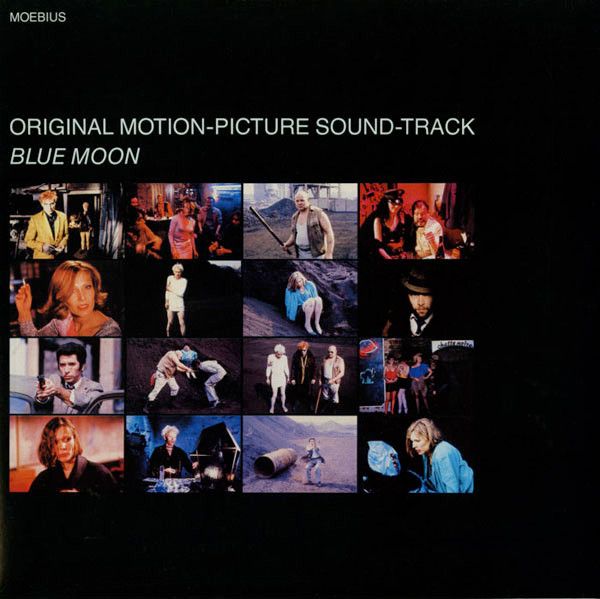
Blue Moon (Original Motion-Picture Sound-Track)
Blue Moon - Original Motion-Picture Sound-Track
UAH 2,237.88
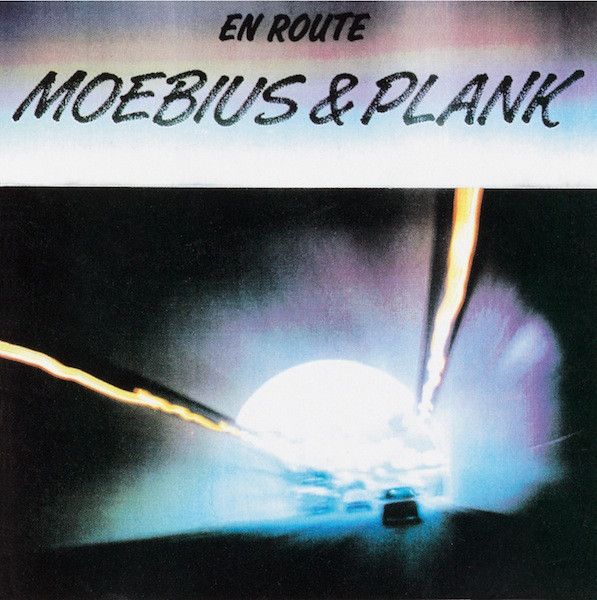
En Route
En Route
UAH 2,237.88

Zero Set
Zero Set
UAH 1,921.48
Musik Für Metropolis
Musik Für Metropolis
UAH 2,237.88
Snowghost Pieces
Snowghost Pieces
UAH 2,237.88
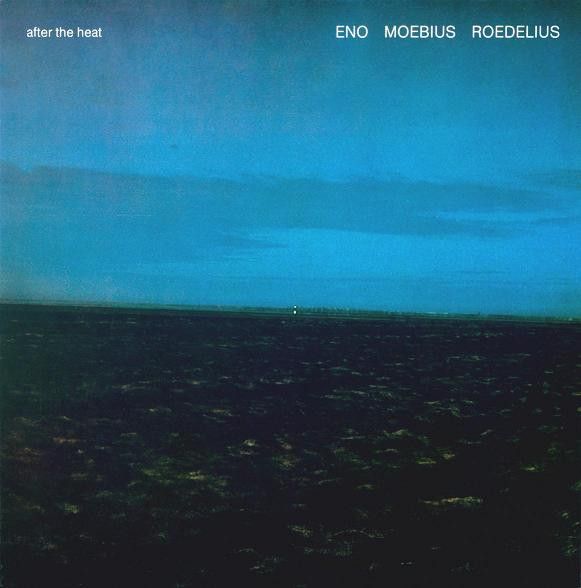
After The Heat
After The Heat
UAH 2,237.88
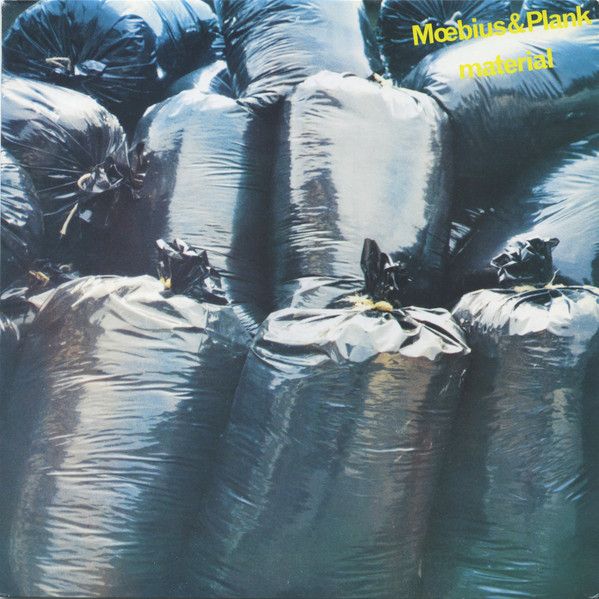
Material
Material
UAH 2,237.88
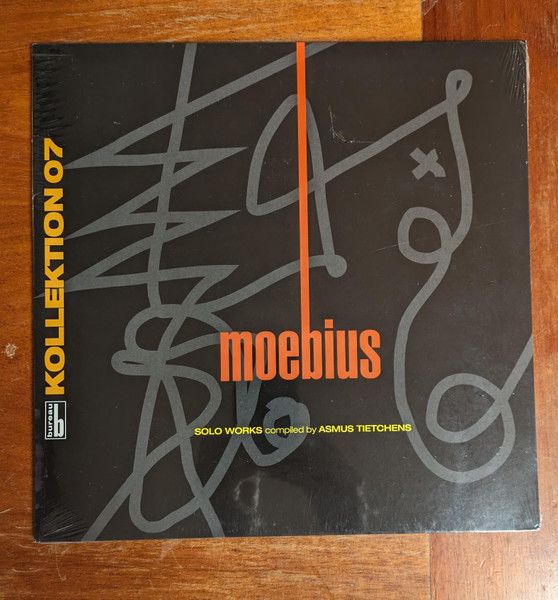
Solo Works Compiled By Asmus Tietchens (Kollektion 07)
Solo Works Compiled By Asmus Tietchens (Kollektion 07)
UAH 2,237.88