Artist
Screamfeeder
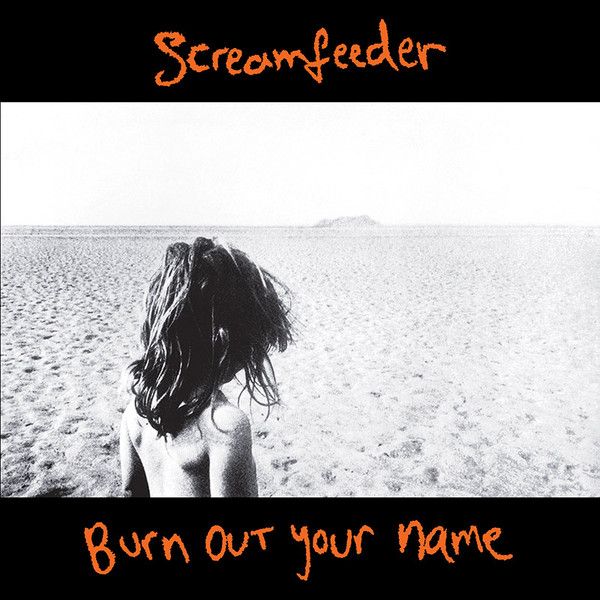
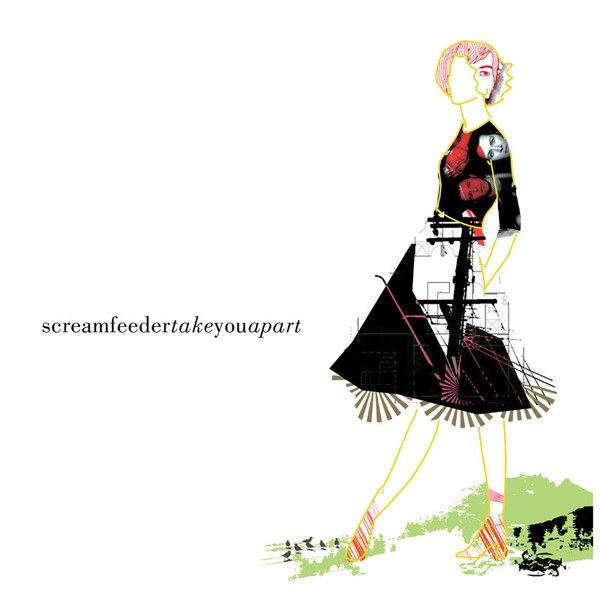
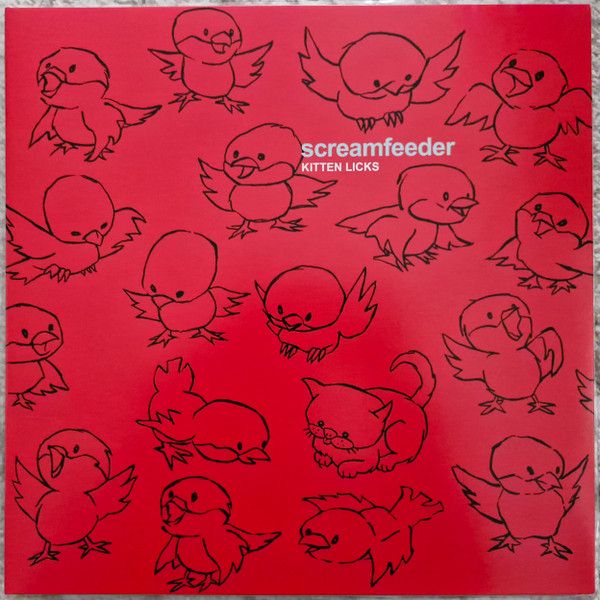
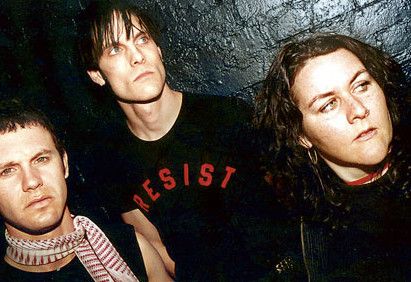
Screamfeeder are a long‑running Brisbane band with deep roots in the city’s DIY scene. They formed in 1991 and grew out of The Madmen, active in Townsville and Brisbane in the late 1980s. Their work has been shaped by independence, steady collaboration and a strong link to Brisbane’s cultural rise in the 1990s. Producer Lachlan “Magoo” Goold has noted that when people talk about Brisbane’s “big four” of the era—Powderfinger, Custard, Regurgitator and Screamfeeder—Screamfeeder stand out as the only group who were not on a major label, calling their presence in that group “pretty impressive.” Their history has been documented in a feature film, a podcast and two books. Their 1996 post grunge album Kitten Licks is now regarded as a cult release, and reviews place the group at the centre of Australian DIY culture. They continue to record, tour and manage their own catalogue, keeping their history active and accessible. “When you talk about the big four out of Brisbane – Powderfinger, Custard, Regurgitator and Screamfeeder – the interesting thing is that Screamfeeder is the only one not on a major label. It’s pretty impressive that they’re even there.” Magoo – record producer The current lineup is Tim Steward, Kellie Lloyd, Darek Mudge and drummer Phil Usher. The band grew out of The Madmen, formed in Townsville in 1988 by Steward and Tony Blades, which relocated to Brisbane in 1989. After Lloyd joined, the group recorded early Screamfeeder demos on the Gold Coast and later at Vibrafeel Studio in Inala. These recordings led to a publishing deal with Survival Records in Sydney. Book End of This Summer: Screamfeeder – A Photo Memoir (2022) covers the years 1986 to 2005 with photos and archival material. A second book, Screamfeeder’s Kitten Licks (2024), forms part of the 33⅓ Oceania series and explains how the 1996 album was made. It also looks at the band’s place in the 1990s Australian rock scene and the challenges they faced at the end of that decade. Reviews describe the band as central to Australian DIY culture and call Kitten Licks a cult‑status album. The documentary The Ending Goes Forever (2022) covers the band’s thirty‑year story. It shows how the group grew inside Brisbane’s independent scene, their long creative partnership and their choice to avoid major‑label deals in the 1990s. The band released their first album Flour in 1992 and toured widely. Their second album Burn Out Your Name was recorded in Sydney in 1993, followed by a European tour with The Screaming Tribesmen and The Chevelles. In the mid‑1990s the band moved to Shock Records and signed a publishing deal with Mushroom Records. Blades left in 1994 and was replaced by Dean Shwereb, who first recorded with the band on Kitten Licks. In 1999 the band signed with an American label, which delayed their next studio album. During this time they released the covers album Home Age. They later ended the US deal and returned to recording, releasing Rocks on the Soul and resuming touring. In 2002 the band became self‑managed and joined Rhythm Ace Records, releasing Take You Apart in 2003. The band performed as a four‑piece in the early 2000s with Mike Squire on guitar. He later departed, and Darek Mudge joined the lineup, also contributing to related recording projects at his studio. The band returned to a three‑piece lineup for the Kitten Licks tour in 2009 before Mudge rejoined, after which they continued as a four‑piece. They have toured in New Zealand, the United States, the United Kingdom, Singapore, Japan, France, Germany, Switzerland and Spain. Screamfeeder’s long career reflects steady collaboration, independent practice and a strong connection to DIY music culture. Their albums, tours and archival projects have kept their work active across several decades, while books, film and reissues have helped document and preserve their history. With a catalogue that includes a recognised cult release in Kitten Licks and a continued commitment to DIY principles, the band remain an enduring part of Australia’s independent music landscape.
Data provided by Discogs