Artist
Gonzaguinha
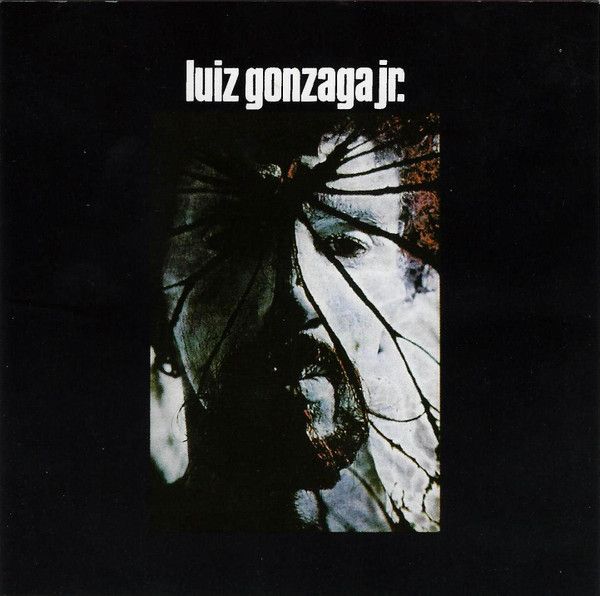
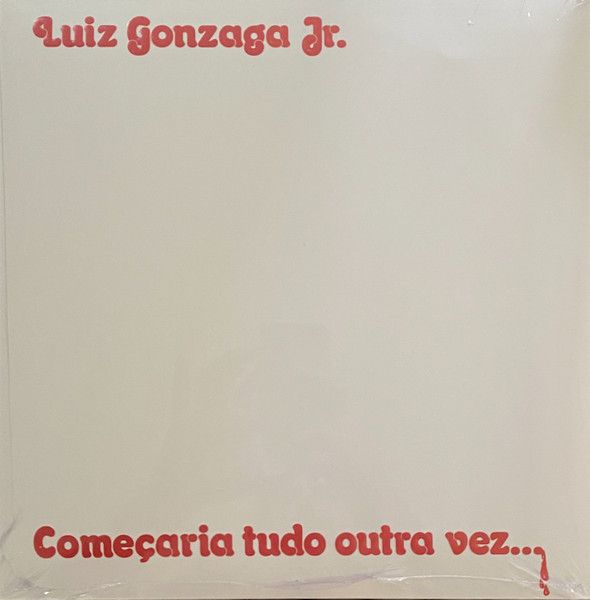
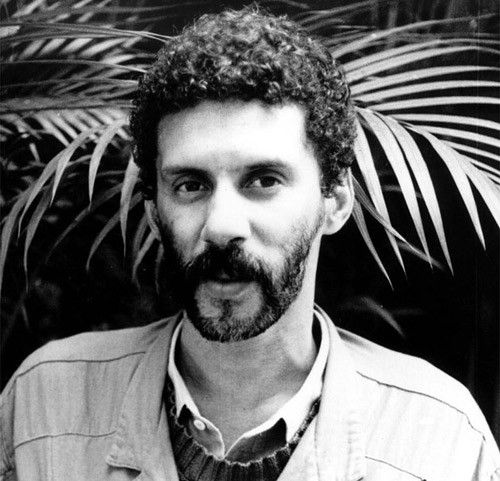
Luiz Gonzaga do Nascimento Jr., known artistically as Gonzaguinha, was a Brazilian singer and composer born in Rio de Janeiro on September 22, 1945. He died at age 45 in Renascença, Paraná, on April 29, 1991. Son of the legendary , the “Rei do Baião,” and of singer Odaléia Guedes dos Santos, he was raised from infancy by his godparents in the Morro de São Carlos after his mother’s early death. He learned guitar with his godfather and wrote his first composition, “Lembranças da Primavera,” at age 14. In the late 1960s, while studying Economics at Universidade Cândido Mendes, he became part of Rio’s vibrant university music scene and co-founded Movimento Artístico Universitário (MAU) with , , and others. MAU played an important role in the formation of the new MPB of the 1970s, leading to their appearance on TV Globo’s Som Livre Exportação in 1971. Gonzaguinha’s early career was marked by a strong social and political stance during Brazil’s military dictatorship. Many of his songs were censored by the DOPS, including the emblematic “Comportamento Geral.” His first LP, Luiz Gonzaga Jr. (1973), helped establish his reputation as a sharp, critical voice in contemporary Brazilian music. From the mid-1970s onward, he entered a highly productive phase, releasing a sequence of influential albums such as Plano de Voo (1975), Começaria Tudo Outra Vez (1976), Moleque Gonzaguinha (1977), Recado (1978), and De Volta ao Começo (1980). During this period he expanded his musical palette from politically charged songs to works of deep emotional and melodic appeal, composing classics like “Explode Coração,” “Recado,” “Grito de Alerta,” “Sangrando,” “Espere por Mim, Morena,” and “O que é, o que é.” Throughout the 1980s he continued releasing albums—several through his own label Moleque—touring the country and collaborating with major MPB artists. His partnership with his father culminated in the celebrated show and album A Vida do Viajante (1981). By the end of the decade, Gonzaguinha had become one of Brazil’s most recorded composers, with his repertoire championed by , , , , , , , and many others. In his later years he lived in Belo Horizonte with his wife Louise Margarete Martins and their daughter, Mariana, while remaining active as a performer and writer. Gonzaguinha died in a car accident in 1991 while traveling between concert engagements. His legacy endures in a vast discography, numerous posthumous releases, tributes, books, reissues, musicals, and a steady presence in Brazilian popular culture. His songs remain cornerstones of MPB, celebrated for their blend of social consciousness, poetic depth, and melodic inventiveness.
Data provided by Discogs